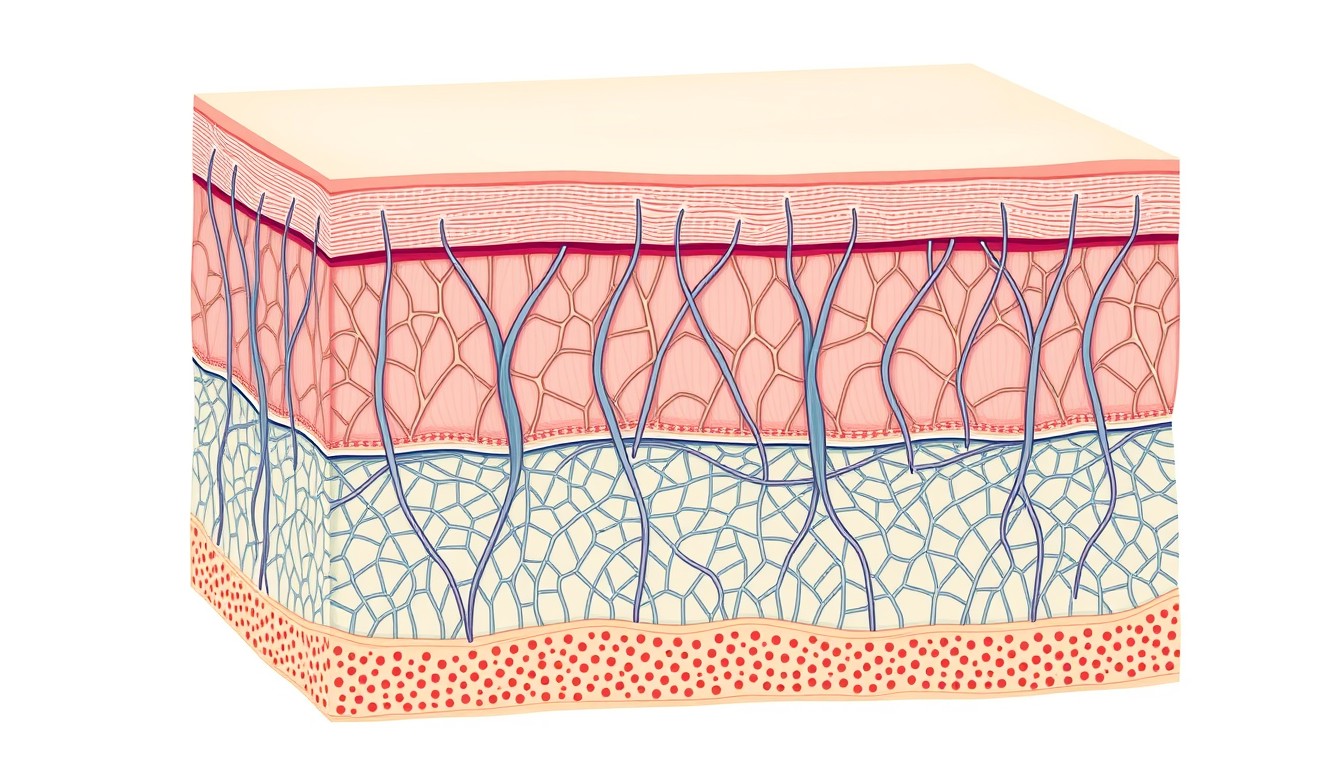
Sagging Skin: How Collagen Loss Drives It and What Helps
Sagging is a four-layer problem: skin, elastin, fat and bone. Where collagen fits, what the trials show, and what actually helps.
Read Article →
Does Collagen Help You Sleep? The Glycine Connection
Collagen is one-third glycine — the amino acid shown in sleep-lab studies to lower core body temperature and quiet the nervous system before bed. Here's how taking collagen at night actually works.
Read Article →
Thin Eyebrows and Collagen: Is There a Connection?
Thin brows usually come down to plucking, thyroid or nutrition. What collagen does for eyebrow growth, what it can't do, and what to rule out first.
Read Article →
Should You Start Collagen in Your 30s? What the Science Says
Collagen loss starts around 25 and gets measurable in your 30s. Here's when the decline shows up and whether starting at 30, 35, or 38 is too early — or exactly right.
Read Article →
Collagen for Runners: Protecting Cartilage Mile After Mile
A runner lands with two to three times their body weight on each knee, 1,500 times per mile. Collagen is the raw material the body uses to rebuild what each stride breaks down.
Read Article →
Collagen and Inflammation: What the Research Says
Chronic inflammation breaks collagen down faster than you rebuild it. What the trials actually show, what glycine has to do with it, and where a supplement fits.
Read Article →
Collagen for Stretch Marks: What It Can and Can't Do
Stretch marks are tears in the collagen under your skin. Here is what collagen can realistically do, what it can't, and why the red-mark window matters.
Read Article →
Multi Collagen vs. Single Collagen: The Honest Trade-Off
Multi collagen gives you coverage. Single collagen gives you concentration. Here is when each one wins - and the three things to check on any label.
Read Article →
Lower Back Pain: The Collagen Type Most Supplements Skip
Your spinal discs are two different collagens doing two different jobs - and the one at the core is the one bovine powder does not contain.
Read Article →
Collagen for Loose Skin After Weight Loss: What Actually Works
Rapid weight loss leaves skin behind. Here is what science says about collagen, elasticity, and the actual timeline for dermal remodeling.
Read Article →
Neck Wrinkles: The Area Most Collagen Routines Miss
Neck skin is thinner, has fewer oil glands, and gets more UV than the face. Here's why neck lines form early — and the collagen types that actually target them.
Read Article →
Collagen Depletion Symptoms: 7 Signs Your Body Is Running Low
Stiff fingers get blamed on the weather. Splitting nails get blamed on dish soap. Alone they are annoyances - together they are a pattern.
Read Article →
Collagen and Bone Density: The Skeleton's Living Scaffold
About 30% of dry bone weight is collagen. Here's how it holds calcium in place — and what a 2018 trial showed collagen peptides can do for bone density.
Read Article →
Stiff Hands in the Morning? Here's What Collagen Has to Do With It
Waking up with stiff hands isn't just aging - it's collagen loss in the small joints. Here's what's happening and how to slow it down.
Read Article →
What's the Best Age to Start Taking Collagen?
Collagen production slows at 25. Here is what happens at 40, 50 and 60 - and the age when starting actually pays off.
Read Article →
Female Hair Loss: The Collagen Factor
Female hair loss is almost never a shampoo problem. Under the scalp, collagen decides whether a follicle keeps producing hair or quietly gives up.
Read Article →
Sun Damage and Collagen: How UV Accelerates the Decline
Your inner arm and your hand are the same age. UV triggers the enzyme that tears collagen apart - and shuts down the cells that rebuild it.
Read Article →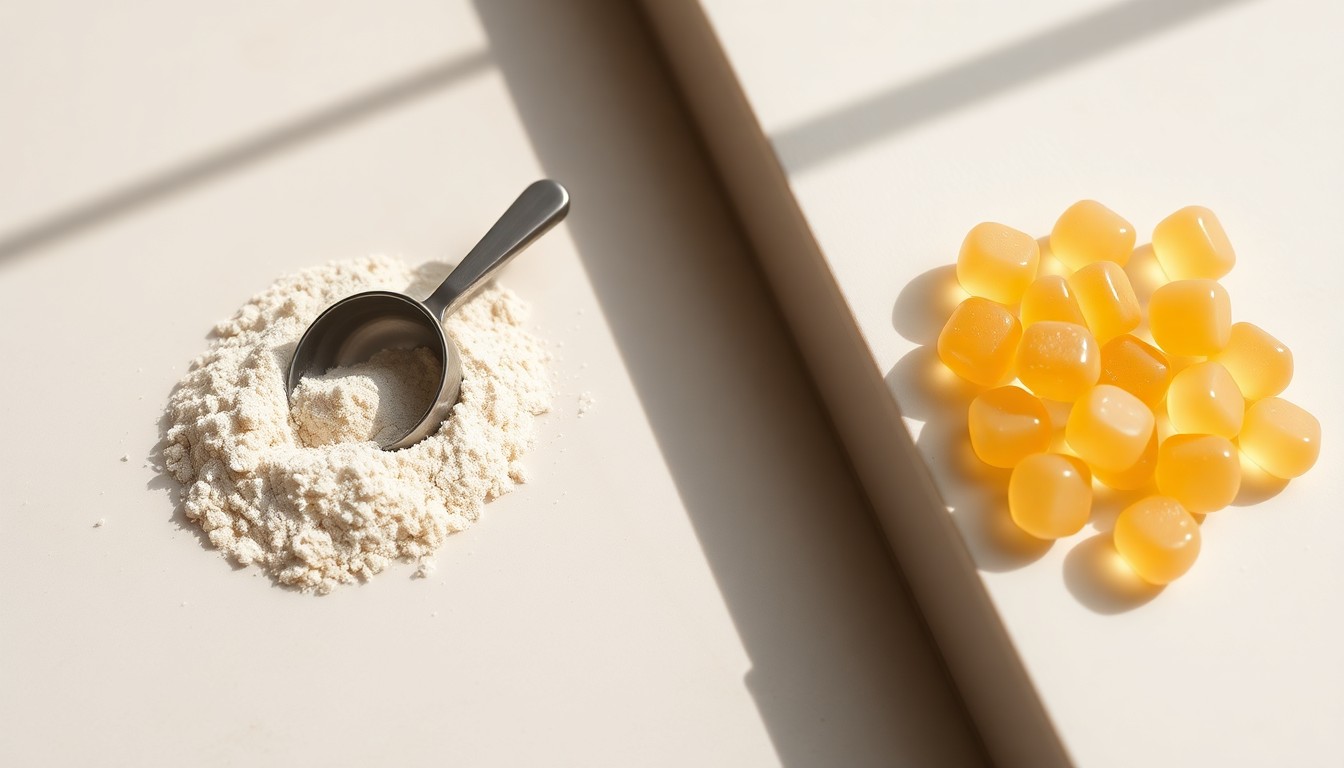
Collagen Powder vs. Capsules: Does the Form Matter?
Powder or capsules — which form of collagen actually works better? A straight comparison of dose, absorption, cost, and convenience.
Read Article →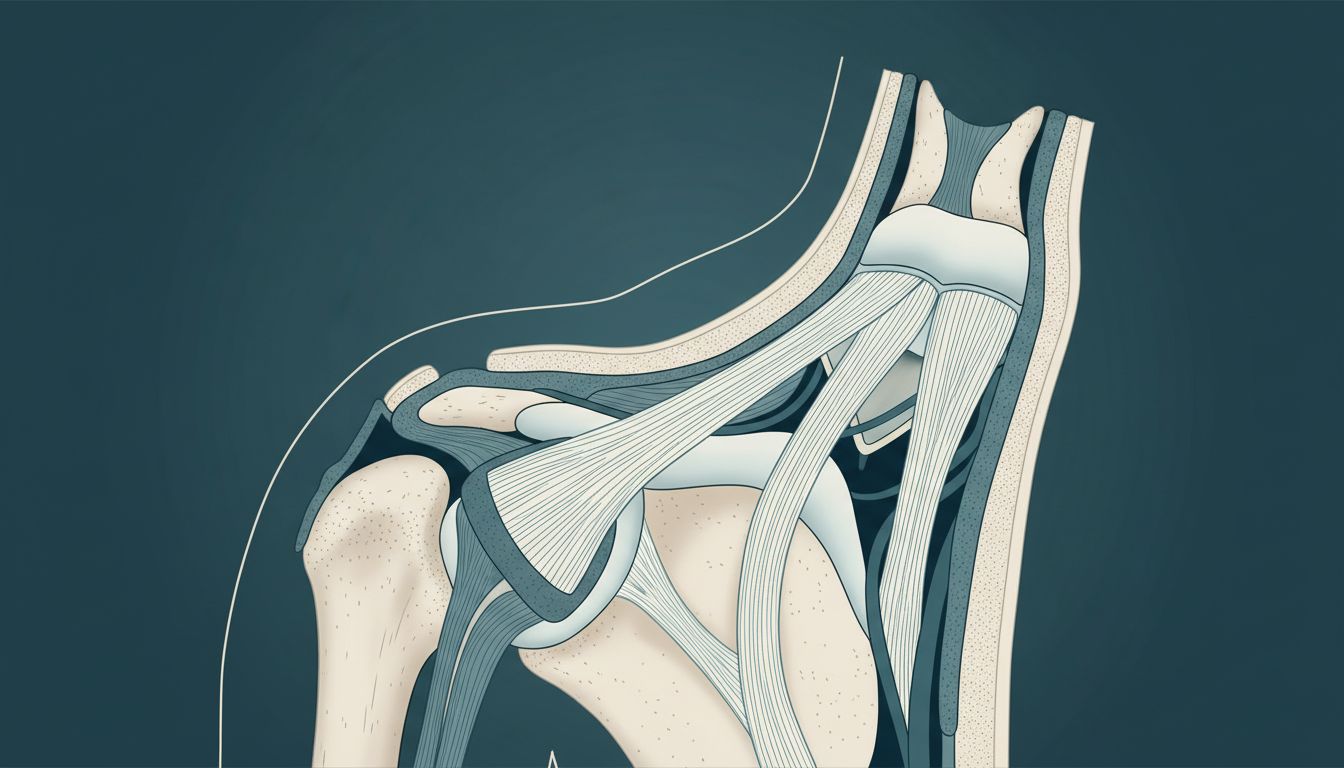
Shoulder Joint Pain and Collagen: What the Research Shows
The rotator cuff, cartilage, and joint capsule are all built from collagen. Here's what the research says about rebuilding what your shoulder has lost.
Read Article →
How Collagen Reduces Fine Lines and Wrinkles
Fine lines aren't a surface problem — they're structural. Here's how collagen actually works on wrinkles, and what to expect.
Read Article →
Men Lose Collagen Too: Here's What Happens and When
Men lose collagen at a steady 1% a year, but the signs hit the joints and tendons before the face. Here's when it starts and what to do.
Read Article →
Under-Eye Wrinkles: The Collagen Types That Target Them
Under-eye skin is the thinnest on your body, so it shows collagen loss first. Here are the three collagen types that target fine lines under the eyes.
Read Article →
Hydrolyzed Collagen: What It Means and Why It Matters
Hydrolyzation is the process that turns raw collagen into peptides your body can actually absorb. Here is what it does and why it matters.
Read Article →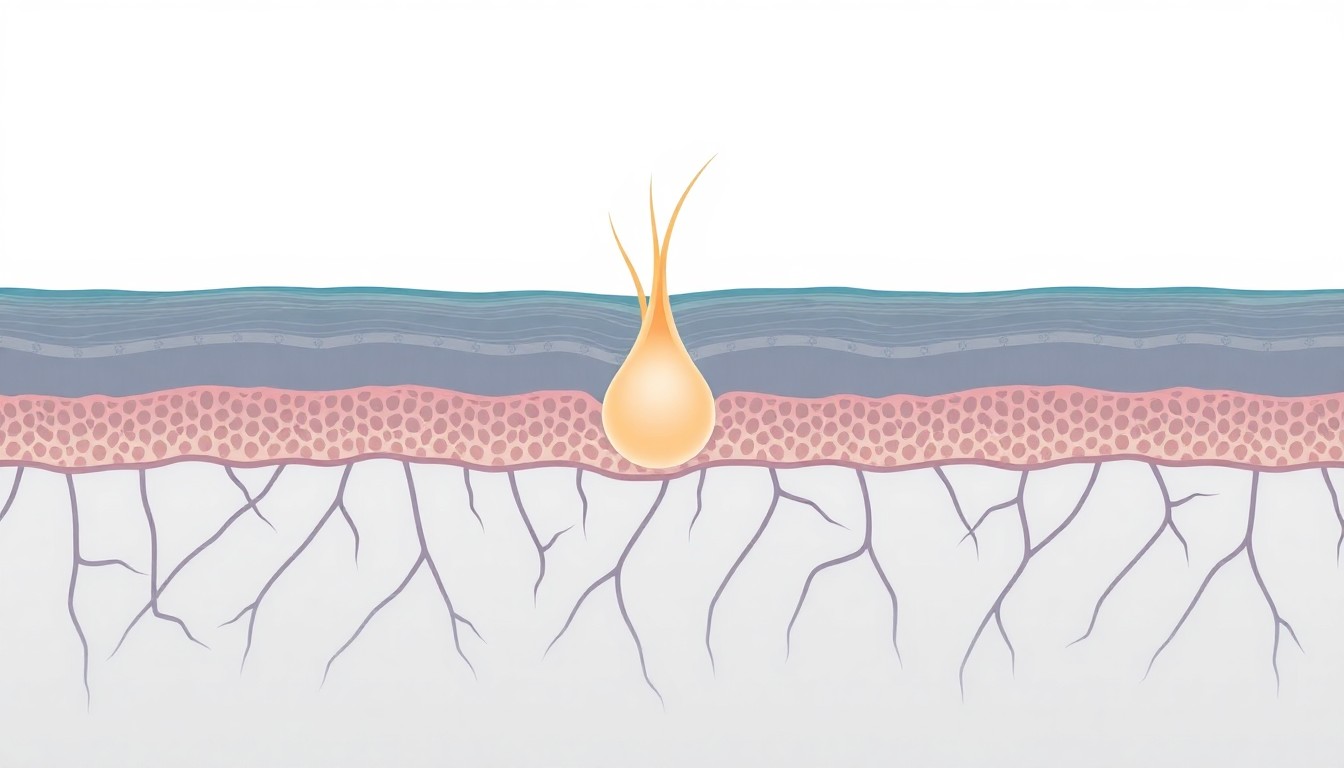
Thinning Hair After 40: How Collagen Can Help
Hair thinning after 40 traces back to collagen loss in the dermal sheath that anchors each follicle. Here's how to rebuild it.
Read Article →
Type V Collagen: The Hidden Scaffold That Organizes Your Body
Type V collagen makes up less than 5% of total collagen but organizes how Types I and III form. Why a complete complex needs all five.
Read Article →
Collagen for Athletes: Protecting Joints Under Stress
Hard training breaks down cartilage faster than it can rebuild. Why collagen is the recovery supplement athletes most often miss.
Read Article →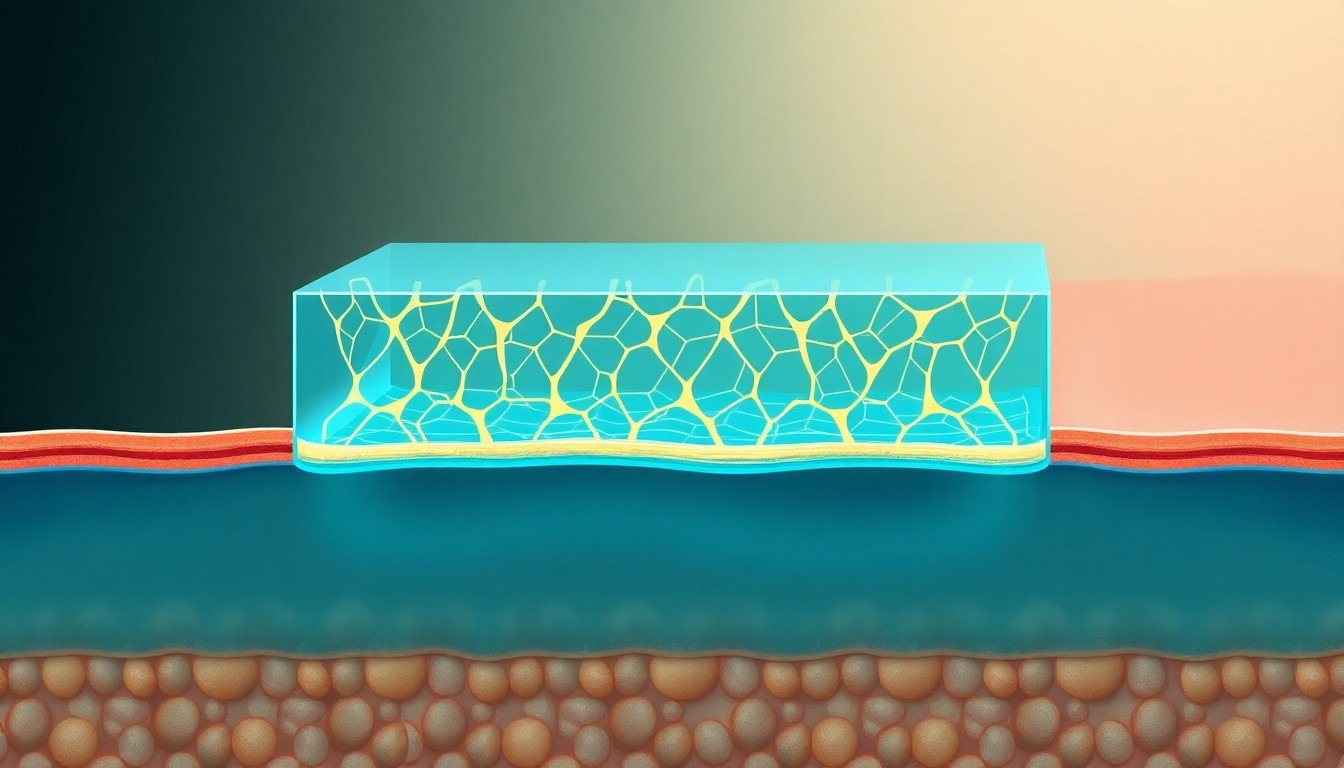
Type IV Collagen: The Hidden Layer That Repairs Your Skin
The basement membrane scaffold no one talks about — why it matters, why it declines, and what supports it.
Read Article →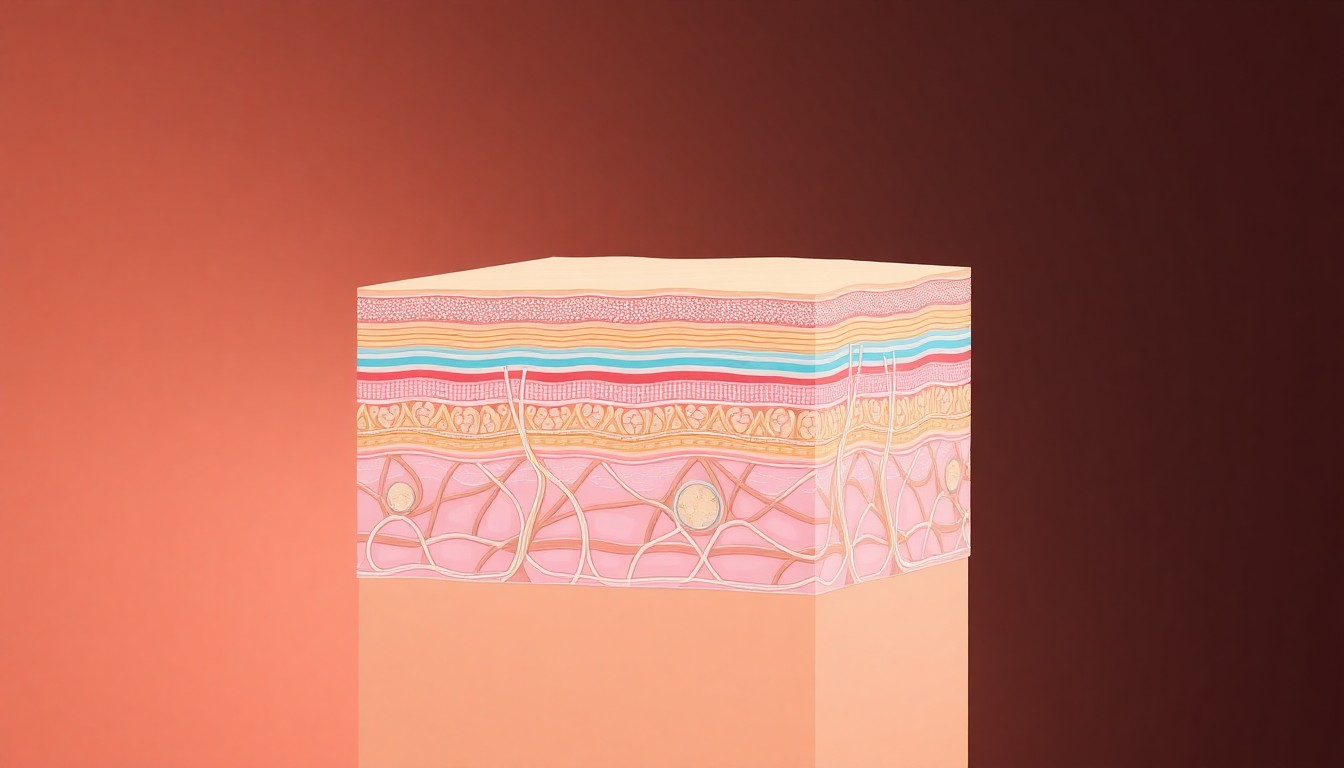
Can Collagen Help With Acne Scars?
Acne scars sit in the dermis where collagen rebuilds skin. What collagen for acne scars can and cannot do, and which types matter most.
Read Article →
What Are Collagen Peptides and Why Do They Matter?
The word "peptides" is the entire reason collagen supplements work. Here is what they do and why the form matters more than the dose.
Read Article →
How Your Body Produces Collagen and Why It Slows Down
Your body produces collagen every day, but the process slows 1.5% per year after 30. Here is how production actually works and what supports it.
Read Article →
How Much Collagen Have You Lost? A Breakdown by Age
By 30, about 10-15%. By 50, roughly a third. By 60, half. The decade-by-decade breakdown of collagen loss by age.
Read Article →
Hip Stiffness After 50: The Collagen Connection
After 50, hip stiffness is rarely just a muscle issue. It is a collagen problem affecting cartilage, labrum, and the ligaments that stabilize the joint.
Read Article →
Why Dry Skin Gets Worse With Age — and What Collagen Does About It
After 40, dry skin isn’t a surface issue — it’s structural. Learn how collagen loss breaks down your moisture barrier and what rebuilds it.
Read Article →
Collagen and Gut Health: The Connection
Your gut lining replaces itself every 3 to 5 days. Collagen provides the glycine, glutamine, and proline it needs to rebuild.
Read Article →
Type III Collagen: The Elasticity Protein Most People Ignore
Type III collagen is the key to skin elasticity, vascular health, and tissue flexibility. Learn why most supplements miss it.
Read Article →
Brittle Nails? Your Body Might Be Low on Collagen
Brittle, peeling nails are often a sign of collagen loss. Learn how collagen supports nail growth and why Types I and V matter most.
Read Article →
Collagen vs. Glucosamine: What a 90-Day Head-to-Head Trial Found
A trial put 40mg of UC-II collagen against 1,500mg of glucosamine for 90 days. One group came out clearly ahead — here's which, and why it matters.
Read Article →
Why Your Knees Need Type II Collagen
Your knee cartilage is 90-95% Type II collagen — yet most supplements don't contain it. Here's why that matters and what to look for.
Read Article →
Collagen Loss After Menopause: What to Do About It
Women lose up to 30% of their skin collagen in the first 5 years after menopause. Here's why it happens and what you can do.
Read Article →
The 5 Types of Collagen: What Each One Does for Your Body
Most supplements only contain one or two types. Here's what all five do — and why each one matters for a different part of your body.
Read Article →
How Long Before You Feel Collagen Working?
Collagen isn't instant. Here's the realistic timeline — what happens at 2, 4, 8, and 12 weeks of daily supplementation.
Read Article →
Morning vs. Night: When Should You Take Collagen?
Does it matter when you take collagen? Here's what the research says about timing, absorption, and building a daily habit.
Read Article →
Eggshell Membrane Collagen: The Ingredient You Haven't Heard Of
The only natural source of Types IV and V — the two collagen types missing from nearly every supplement on the market.
Read Article →
Type II Collagen: The Joint-Specific Collagen Most Supplements Miss
Type II makes up 60% of cartilage protein. Most collagen supplements don't contain it. Here's why it matters.
Read Article →
Collagen and Hair: What the Research Says
Your hair follicles are embedded in collagen. When it thins, hair gets weaker and grows slower. Here's the science.
Read Article →
Why Women Over 50 Need Multi-Type Collagen
Women lose up to 30% of skin collagen in the first 5 years after menopause. Single-type supplements can't keep up.
Read Article →
Can Collagen Supplements Really Improve Your Skin?
75% of your skin's dermis is collagen. When it depletes, fine lines, sagging, and dryness follow. Here's the science.
Read Article →
Marine vs. Bovine Collagen: Which Is Better?
Both have real benefits — but they do different things. Here's what each delivers, what it misses, and why the debate is the wrong question.
Read Article →